
We tend not to think about our supply chain until disruptions occur.
During the pandemic, supply chains and its risks became acutely visible. This nudged manufacturers and logistics providers to pay more attention to improving their supply chains and addressing vulnerabilities. Companies in the transportation and connectivity sector are also seeing an unprecedented revolution in the way that we move people and goods, with increased efficiency, safety and comfort. For example, Artificial Intelligence (AI) is powering new mobility solutions, and companies are increasingly seeking to manage their logistics carbon footprint.
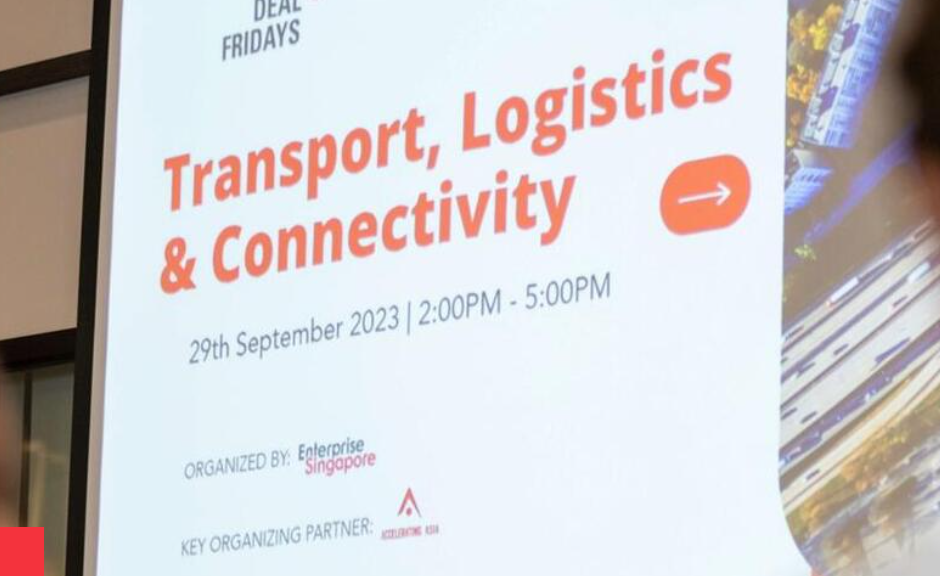
In the midst of these changes, the latest Deal Fridays session brought together startups playing in transport, logistics, and connectivity fields, with industry investors to network with one another and explore dealmaking opportunities.
From real-time shipment monitoring software to a car rental platform, the event featured eight startups, including Cosmiqo, Carmen Automotive, Drive-Lah, Kilats, Armastec, Innovez-One, Project Argus, and DataKrew.
Sumanta Bose, founder and CEO at Datakrew, a startup which provides a solution in battery intelligence for original equipment manufacturers (OEMs) and electric vehicle (EV) fleets, shared that there are major tailwinds accelerating the growth of this sector.
“The pandemic has boosted the transportation, logistics, and courier businesses due to rising demands of online purchases via e-commerce platforms. This increased and sustained demand for quicker deliveries, faster services and other requirements. It has also pushed companies in the logistics sector to increase their fleet sizes,” said Bose.
On top of increased demand and resourcing, enterprise preferences are also changing in other areas of transport and logistics. With the Paris Agreement ratified by most nations in the world, Bose stated that lowering carbon footprint is increasingly a priority.
“All of these nations have designed the policies to adopt electric vehicles. Looking at all the goals set by multiple Governments, at least 30% of the vehicles will be converted to electric vehicles in the upcoming three to five years,” Bose said. This shift will benefit the trend toward electric vehicle intelligence, the kind of which Datakrew provides. Businesses want to make smarter decisions around their energy use down to the last mile.
Antron Lim, Alliances & Venture Lead at Toll Group, further explained that companies are becoming more aware of the need for their own sustainability. As such, they are putting in place measures to prioritise working with companies who also value going green.
Beyond sustainability, Lim said that the biggest shift is towards supply chain resilience.
As we experienced first-hand during the pandemic, there were shortages in many goods, from medical masks and toilet paper to gym equipment and probiotic beverages. These shortages were not due to problems in manufacturing, but in the supply chain. The goods could not get to where they were needed due to lockdowns, border closures, insufficient capacity, port bottlenecks, among other issues.
Lim explained that supply chain resilience is being advanced in part through the integration of robotics, AI, Internet of Things (IoT), and automation, which optimise supply chain management, improve operational efficiency, and provide seamless communication with improved transparency, visibility, and communication.
David Yeo, Founder and CEO of Innovez One, emphasised the importance of collaboration for solution developers to stay relevant and capture the opportunities in this exciting segment. According to him, leaders in transport, logistics, and connectivity should attend industry-specific and function-specific conferences, such as those that focus on digitalisation or decarbonisation.
“We will be exposed to new innovations and new approaches that are coming, those that will replace the outdated methods of the past. New businesses will sweep over old businesses and make the latter obsolete,” he said.
Yeo believes that such collaborations will aid in identifying how new technologies can be applied across a variety of operational areas to complement manpower, enable automated processes, and facilitate data-driven insights and decision-making. He drew on his own experiences as an example, where his company, Innovez One provides a machine learning-powered solution for ports and tugboats.
“We can expect a push for real-time connectivity in terms of data exchange between port hubs across the world. AI adoption will gather pace in various applications, aiding in communication, advance planning, connecting various stakeholders in a way that optimises operations in the supply chain,” said Yeo, adding that the industry will also see electrification of vessels gather momentum as a replacement to fuel.
Deal Fridays 2023 was organised by Enterprise Singapore in partnership with Accelerating Asia. It is a platform to facilitate connections and dealmaking opportunities. Find out more about Deal Fridays here.


